
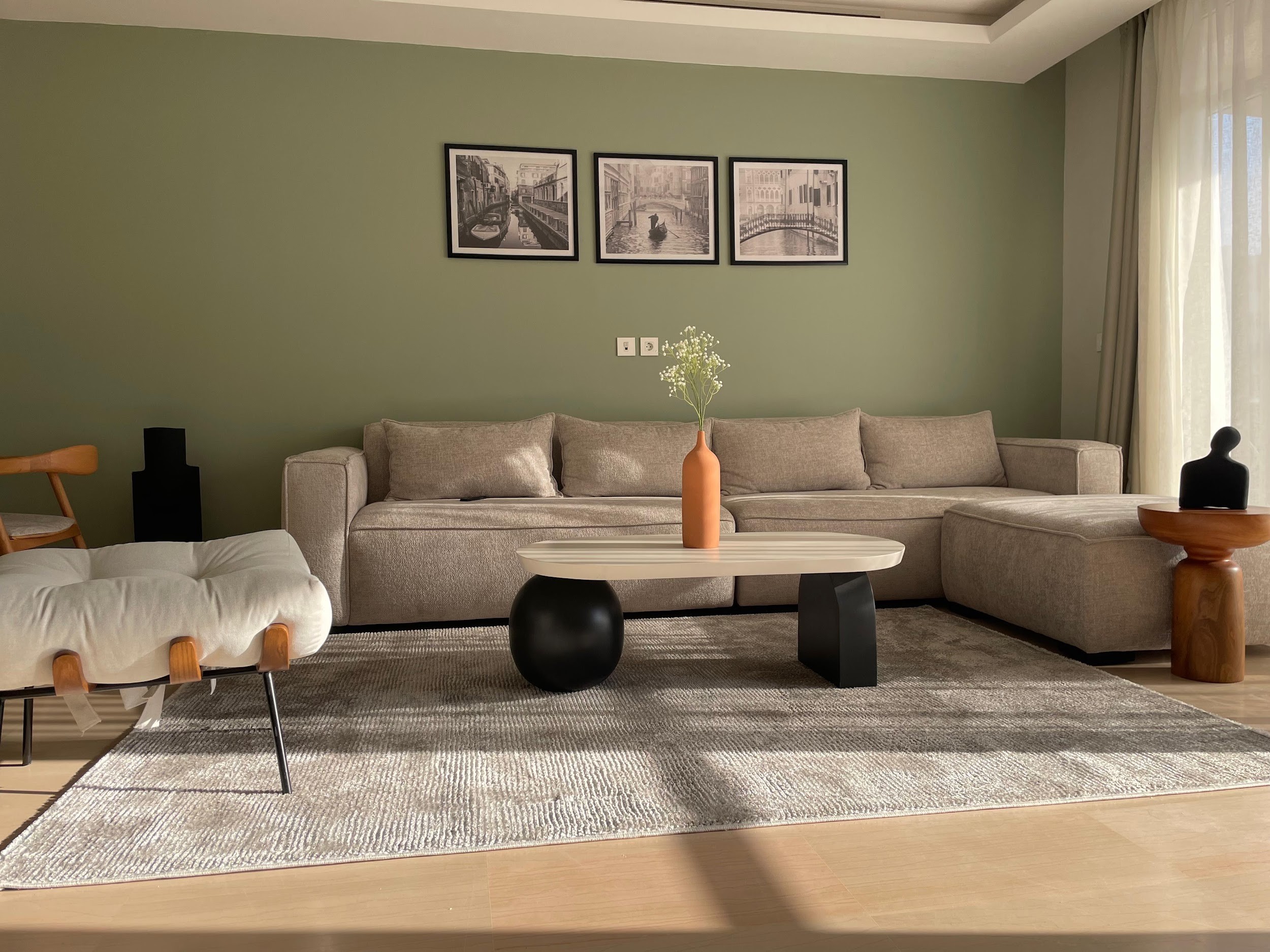
Discover a world where artistry and functionality converge, elevating the everyday experience of modern living. At the heart of this transformation lies beautiful, handcrafted pottery, and a dedication to unique design. https://thepacificspins.ca showcases a remarkable collection of pieces, meticulously created to bring warmth, character, and a touch of the extraordinary into your home. From functional tableware to stunning decorative items, each piece tells a story, reflecting the skill and passion of the artisans behind it. This isn't just about acquiring objects; it's about investing in pieces that resonate with your personal style and enrich your living space.
The appeal of handmade pottery extends beyond its aesthetic qualities. It embodies a connection to tradition, a reverence for materials, and a rejection of mass production. In a world increasingly dominated by uniformity, these pieces offer a refreshing sense of individuality and authenticity. The subtle variations in shape, texture, and glaze are a testament to the human touch, making each item truly one of a kind. Exploring the offerings at a place like Pacific Spins offers an opportunity to support independent artisans and embrace a slower, more deliberate way of living, fostering a sense of mindful consumption and appreciation for the beauty of imperfection.
Handcrafted ceramics possess an intrinsic appeal that mass-produced items simply cannot replicate. The inherent imperfections within each piece – a slight wobble, a unique variation in glaze – aren't flaws, but rather testaments to the artist's hand and the organic nature of the crafting process. This individuality is highly sought after by those looking to create a home environment that feels personal and authentic. The process of creating ceramics is also deeply rooted in history, stretching back millennia, and acquiring a piece of handcrafted pottery connects us to this rich cultural heritage. Choosing handmade means choosing a sustainable alternative to factory-made goods, supporting local artisans, and minimizing your environmental impact. This conscious consumerism is becoming increasingly important to many individuals who are actively seeking ways to live more responsibly.
The glaze is arguably one of the most important aspects of ceramic artistry. It not only provides a protective coating but also contributes significantly to the aesthetic appeal of the piece. A skilled potter understands how different glazes will interact with the clay body during firing, resulting in a wide range of colors, textures, and finishes. From the vibrant hues of a copper-red glaze to the subtle nuances of a celadon green, the possibilities are endless. The application technique – brushing, dipping, spraying – also impacts the final outcome, with each method yielding distinct visual effects. A well-chosen glaze can elevate a simple form into a work of art, highlighting its contours and bringing depth and dimension to the surface. It’s also worth noting that many glazes are food-safe, increasing the versatility of ceramic pieces.
| Glaze Type | Characteristics |
|---|---|
| Earthenware Glaze | Typically bright colors, lower firing temperature, porous if unglazed. |
| Stoneware Glaze | Durable, non-porous, wide range of colors and textures, high firing temperature. |
| Porcelain Glaze | Translucent, delicate, often used for fine china, very high firing temperature. |
| Raku Glaze | Unique, unpredictable effects created through rapid firing and cooling. |
The table above demonstrates the various types of glazes available to a ceramic artist, and how each impacts the final look and feel of the piece. Understanding these differences allows for a greater appreciation of the skill and artistry involved in creating beautiful and functional pottery.
The world of pottery encompasses a vast array of styles, each reflecting the cultural traditions and artistic sensibilities of its origin. From the minimalist elegance of Japanese ceramics to the vibrant patterns of Mexican Talavera pottery, there's a style to suit every taste. Scandinavian pottery often emphasizes functionality and simplicity, with clean lines and muted colors, reflecting the region's design aesthetic. In contrast, Moroccan ceramics are known for their intricate geometric designs and bold, saturated hues. Exploring these different styles not only broadens one's aesthetic horizons but also provides insights into the diverse cultural narratives embedded within each piece. A piece from a particular region often embodies the artistic heritage of centuries, reflecting the skills passed down through generations and the unique materials available in that locale.
Wabi-sabi, a Japanese aesthetic philosophy, finds beautiful expression in the world of ceramics. It embraces imperfection, impermanence, and simplicity, celebrating the beauty of natural materials and the marks of time. Pottery created with a wabi-sabi aesthetic often features uneven surfaces, subtle cracks, and asymmetrical forms. These irregularities aren't seen as flaws, but rather as evidence of the object's history and authenticity. The emphasis is on finding beauty in the understated and appreciating the unique character of each piece. This philosophy encourages a more mindful appreciation of everyday objects, fostering a sense of connection to the natural world and the passage of time. Wabi-sabi encourages us to see the beauty in the imperfect, fostering a sense of tranquility and acceptance.
The principles of wabi-sabi are readily visible in many contemporary pottery designs, as artists strive to create pieces that possess a sense of authenticity and connection to nature. This approach offers an alternative to the sleek, mass-produced aesthetic that often dominates modern interiors.
Pottery isn’t merely decorative; it plays a functional role in creating inviting and harmonious living spaces. A beautifully crafted bowl can elevate a simple fruit arrangement, while a set of handmade mugs can transform an ordinary morning coffee into a moment of mindful indulgence. Pottery can be strategically used to add texture, color, and visual interest to a room. A collection of vases of varying shapes and sizes can be displayed on a shelf or mantelpiece, creating a focal point and adding personality to the space. The use of pottery can also help to create a sense of warmth and intimacy, softening the hard edges of modern architecture and adding a touch of human connection to the environment. Integrating handcrafted ceramics into your home allows you to create a space that authentically reflects your personal style and values.
Pottery’s versatility allows it to seamlessly integrate with a wide range of interior design styles, from rustic farmhouse to sleek contemporary. In a farmhouse setting, earthy tones and natural textures complement the rustic charm of the space. In a minimalist interior, a single, striking pottery piece can serve as a focal point, adding a touch of warmth and personality. When it comes to color, consider the existing color palette of the room and choose pottery that either complements or provides a subtle contrast. Don't be afraid to experiment with different arrangements and groupings to find what works best for your space, keeping in mind the principles of balance and harmony. When browsing options at places like https://thepacificspins.ca, think about the overall aesthetic you’re aiming for and choose pieces that align with your vision.
By thoughtfully incorporating pottery into your interior design scheme, you can create a space that is both beautiful and functional, reflecting your unique personality and style.
In an era of increasing environmental awareness, choosing handcrafted pottery offers a sustainable alternative to mass-produced goods. The production of ceramics typically involves locally sourced materials, reducing the carbon footprint associated with transportation. Handmade pottery often requires less energy to produce than factory-made items, as it relies on traditional techniques and skilled craftsmanship rather than energy-intensive machinery. Moreover, pottery is a durable material that can last for generations, reducing the need for frequent replacements. Supporting local potters also contributes to the preservation of traditional crafts and fosters a more localized economy. A conscious choice to invest in handmade pottery is an investment in a more sustainable and ethical future.
The artistry and care put into each piece inherently encourage a mindful approach to consumption. Because these items are often more valuable, both financially and emotionally, they are less likely to be discarded. This shift away from disposable culture toward embracing heirloom-quality pieces is a positive step in creating a more sustainable lifestyle.
The future of ceramic art and design is brimming with possibilities. We are witnessing a revival of interest in traditional techniques, coupled with a spirit of innovation and experimentation. Artists are exploring new materials, pushing the boundaries of form and function, and incorporating technology into their creative processes. The increasing focus on sustainability is driving a demand for eco-friendly materials and production methods. We can expect to see more collaborations between potters and other artists and designers, resulting in unique and interdisciplinary works. Furthermore, the rise of social media and online platforms is providing greater visibility for ceramic artists, connecting them with a wider audience and fostering a global community of enthusiasts. This ongoing evolution promises to keep the art of pottery vibrant and relevant for generations to come, and places like https://thepacificspins.ca are poised to be at the forefront of this exciting movement.
The intersection of technology and traditional ceramic techniques holds immense potential. For example, 3D printing is being used to create complex forms that would be impossible to achieve through conventional methods, while digital glaze analysis is helping artists to refine their formulas and achieve more consistent results. This embrace of innovation, while respecting the rich history of the craft, signals a dynamic and promising future for ceramic art. It’s an exciting time to be a collector, a designer, or simply an admirer of this ancient and evolving art form.