
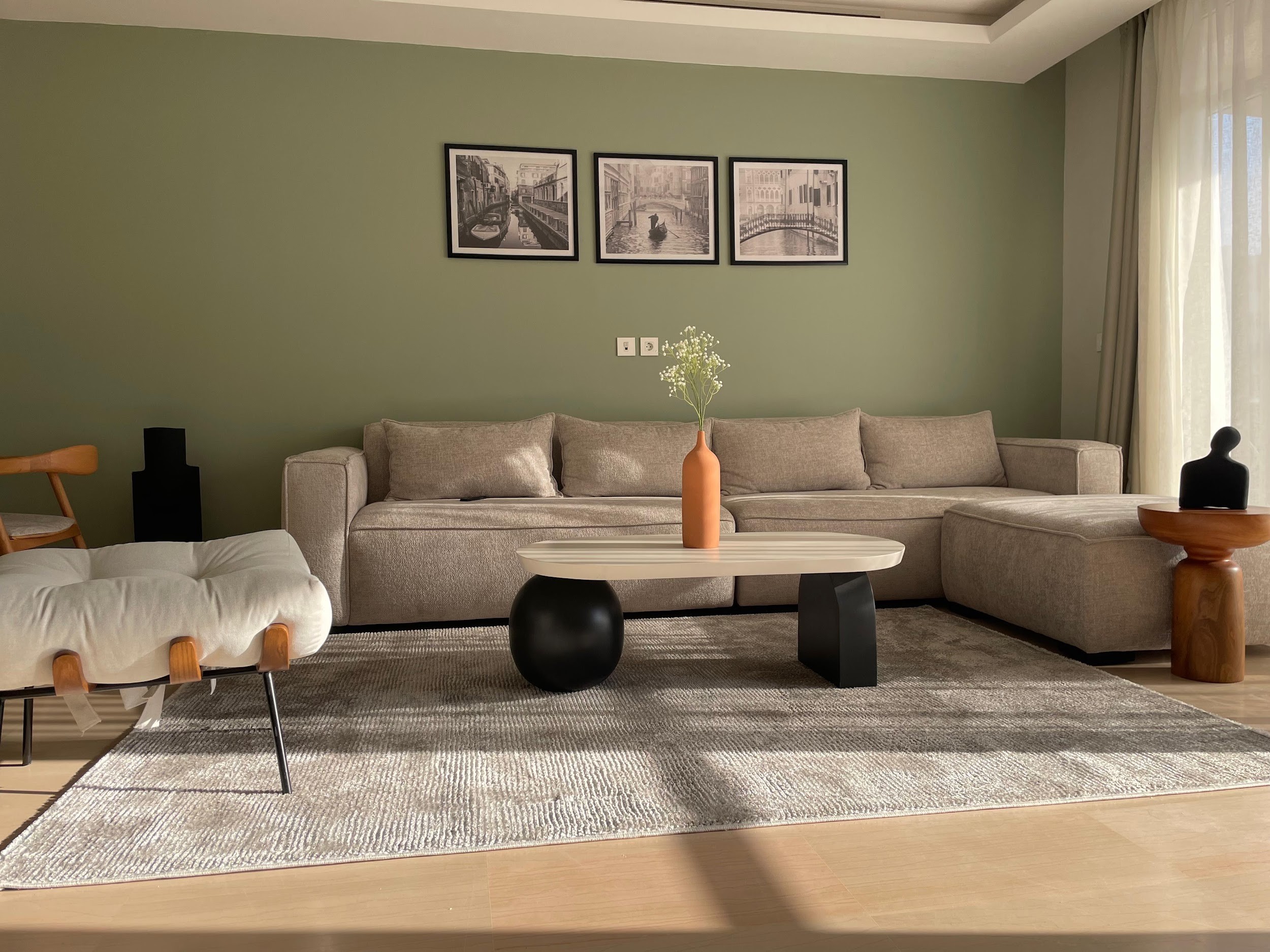
Designing a kitchen is more than just selecting appliances and countertops; it’s about creating a space that reflects your lifestyle and enhances your home’s overall aesthetic. A well-designed kitchen seamlessly blends functionality with beauty, becoming the heart of the home where memories are made. The team at https://thespinkings.co.uk understands this deeply, specializing in crafting exceptional kitchens that elevate your home’s style and meet your unique needs. They focus not just on installation, but on the entire design process, ensuring a cohesive and stunning result.
Investing in a new kitchen is a significant decision, and the choices available can be overwhelming. From contemporary minimalist designs to classic farmhouse styles, the possibilities are endless. Beyond aesthetics, practical considerations like storage, workflow, and durability are crucial. A thoughtfully planned kitchen improves efficiency, making cooking and entertaining a pleasure, and ultimately adding value to your property. The experts at The Spin Kings pride themselves on offering a comprehensive service, guiding clients through every stage, from initial consultation to final installation, ensuring a stress-free experience.
When embarking on a kitchen renovation, it's essential to first identify your preferred design style. This foundational step informs all subsequent choices, from cabinetry and countertops to flooring and lighting. Modern kitchens often feature sleek lines, minimalist detailing, and a neutral color palette, emphasizing functionality and a sense of spaciousness. Often seen with integrated appliances and handleless cabinetry, the modern aesthetic is characterized by its clean and uncluttered feel. Conversely, traditional kitchens evoke a sense of warmth and charm, incorporating ornate detailing, rich wood tones, and classic hardware. Farmhouse kitchens, a sub-style of traditional, embrace rustic elements like exposed beams, apron-front sinks, and vintage-inspired accents, creating a cozy and inviting atmosphere. Transitional kitchens blend elements of both modern and traditional styles, offering a balanced and timeless aesthetic. Consider your existing home's architecture and your personal preferences when selecting a design style to ensure a cohesive and harmonious look.
Beyond the aesthetic style, the kitchen layout plays a critical role in functionality and workflow. The “kitchen triangle” – the relationship between the sink, refrigerator, and cooktop – is a long-standing principle of kitchen design, aiming to minimize steps and maximize efficiency. However, modern kitchen designs often incorporate multiple work zones, catering to different tasks. For instance, a baking zone might include a dedicated countertop space, storage for baking supplies, and a nearby oven. An island can serve as a central hub for food preparation, dining, and socializing, while also providing additional storage. Careful consideration should also be given to traffic flow, ensuring sufficient space for movement and avoiding awkward bottlenecks. Effective kitchen layout design isn’t just about convenience; it’s about enhancing the overall cooking experience.
| Layout Style | Description | Best Suited For |
|---|---|---|
| One-Wall | All appliances and cabinets are arranged along a single wall. | Small spaces, apartments |
| Galley | Two parallel walls with appliances and cabinets on both sides. | Narrow spaces, efficient workflow |
| L-Shaped | Cabinets and appliances form an L-shape, providing ample counter space. | Medium to large kitchens, corner lots |
| U-Shaped | Cabinets and appliances form a U-shape, maximizing storage and workspace. | Large kitchens, multiple cooks |
Choosing the right layout depends on factors like kitchen size, shape, and your culinary habits. A professional kitchen designer can help you evaluate your options and create a layout that optimizes space and functionality.
The materials and finishes you choose for your kitchen have a significant impact on its overall look and durability. Countertops are a focal point, and popular choices include granite, quartz, marble, and laminate. Granite offers a natural stone aesthetic with unique veining, while quartz is a durable and low-maintenance option. Marble exudes luxury and elegance, but requires more careful maintenance. Laminate is an affordable and versatile choice, available in a wide range of colors and patterns. Cabinetry materials also play a crucial role. Solid wood cabinets offer a classic and durable option, while MDF (medium-density fiberboard) provides a cost-effective alternative. The choice of finish—paint, stain, or veneer—affects the overall color and texture of the cabinets. Flooring options range from tile and hardwood to laminate and vinyl, each offering different levels of durability, comfort, and style. Exploring these choices with a knowledgeable professional can lead to a beautiful and lasting result.
Lighting is often underestimated but is a critical element of effective kitchen design. A well-lit kitchen is not only more functional but also more inviting and aesthetically pleasing. There are three main types of kitchen lighting: ambient, task, and accent. Ambient lighting provides overall illumination, while task lighting focuses on specific work areas, such as countertops and sinks. Accent lighting highlights architectural features or decorative elements. Under-cabinet lighting is particularly useful for illuminating countertops, while pendant lights above an island add both style and functionality. Consider using a combination of these lighting types to create a layered and balanced lighting scheme. Smart lighting systems allow you to adjust the brightness and color temperature of your lights, creating different moods and atmospheres. Careful planning of your kitchen lighting scheme will dramatically improve the space.
The team at The Spin Kings can work with you to create a lighting plan tailored to your specific needs and preferences.
Selecting the right appliances is essential for creating a functional and efficient kitchen. Consider your cooking habits and lifestyle when choosing appliances. For example, if you frequently entertain guests, a larger refrigerator and a multi-burner cooktop may be beneficial. Stainless steel appliances are a popular choice, offering a sleek and modern look, but black stainless steel and integrated panel-ready appliances are also gaining popularity. Integrated appliances blend seamlessly with the surrounding cabinetry, creating a streamlined and sophisticated aesthetic. Energy-efficient appliances not only save you money on utility bills but also reduce your environmental impact. Smart appliances offer advanced features like remote control, voice activation, and automatic updates. Investing in high-quality appliances will enhance your cooking experience and add value to your home. Consider future needs, such as potential changes in your lifestyle or family size, when making appliance selections.
Proper ventilation is vital for maintaining air quality and preventing unpleasant odors in the kitchen. A range hood extracts smoke, steam, and grease, keeping the air clean and fresh. There are two main types of range hoods: ducted and ductless. Ducted range hoods vent air outside the home, while ductless range hoods recirculate air through a filter. Ducted range hoods are more effective at removing odors and grease, but require more extensive installation. The size and power of the range hood should be appropriate for the size of your cooktop. Consider features like adjustable fan speeds, lighting, and noise levels when choosing a range hood. Effective ventilation not only improves air quality but also protects your kitchen surfaces from damage caused by grease and moisture.
A well-functioning ventilation system is an often-overlooked but essential component of a comfortable and healthy kitchen environment.
While DIY kitchen renovations may seem tempting, engaging a professional kitchen designer and installer offers numerous benefits. A professional designer can help you create a functional, aesthetically pleasing, and budget-friendly kitchen design. They have the expertise to anticipate potential challenges and develop creative solutions. A skilled installer ensures that the kitchen is assembled and installed correctly, avoiding costly mistakes and ensuring longevity. They understand building codes and regulations, ensuring that the renovation meets all safety standards. Professional installation also protects your investment, as incorrect installation can void warranties. The peace of mind that comes with knowing your kitchen is in the hands of experienced professionals is invaluable.
The team at https://thespinkings.co.uk offers a full-service kitchen design and installation experience, from initial consultation to final walkthrough. They handle all aspects of the project, ensuring a seamless and stress-free renovation.
The modern kitchen is no longer solely a workspace; it’s a social hub, a place to gather with family and friends. Personalizing your kitchen to reflect your individual style is therefore paramount. This might involve incorporating unique color schemes, custom cabinetry, or statement lighting fixtures. Displaying cherished artwork or personal collections can add character and warmth. Choosing accessories like rugs, curtains, and cookware that complement your overall design aesthetic can tie the space together. The goal is to create a kitchen that is not only functional but also a reflection of your personality and lifestyle. Consider how you use your kitchen and what elements will make it a space that you genuinely enjoy spending time in. A well-designed kitchen should be both beautiful and functional, a place where you can create memories for years to come.
Think about how the kitchen design will interact with the rest of your home. Maintaining a consistent style and color palette throughout your living spaces creates a sense of harmony and flow. Don’t be afraid to experiment with different textures and materials to add visual interest. Ultimately, the most successful kitchen designs are those that are tailored to the homeowner’s individual needs and preferences, creating a space that is both practical and inspiring.